
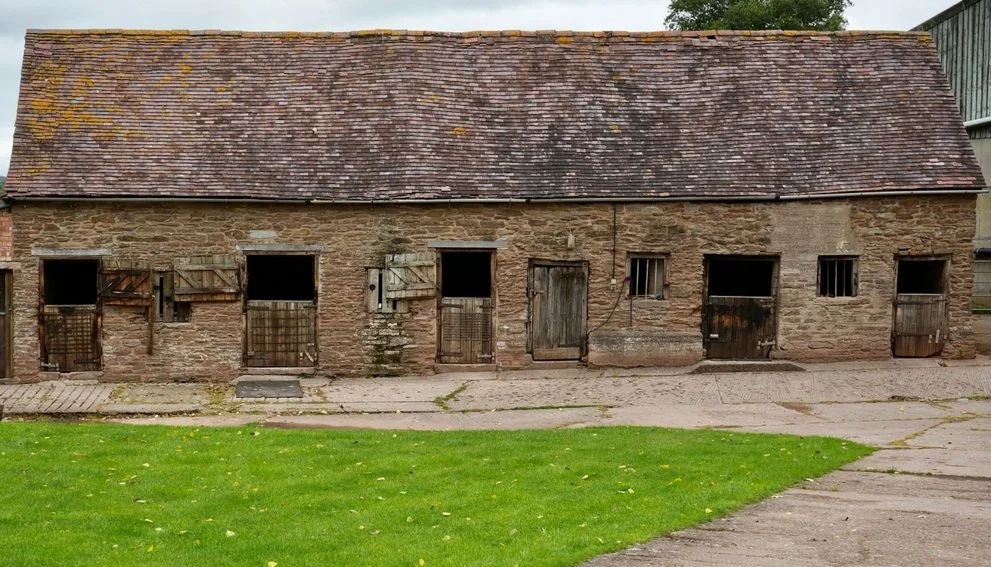
Agricultural and Rural Workers Dwellings Cornwall & Devon
Planning for a rural worker's or agricultural dwelling involves proving an essential, year-round need for a worker to live on-site for a specific farm, rural business or equestrian enterprise, demonstrating the enterprise is financially viable, and showing no existing accommodation meets the need, typically requiring an agricultural appraisal with detailed business plans and accounts to satisfy local planning policies and tests.
Key Requirements & Tests:
The Functional Test (Essential Need): You must prove it's necessary for a worker to live on-site (within sight and sound) 24/7 for the business's operation, often due to animal welfare, security, or specific tasks.
The Financial Test (Viability): The rural business (farm, forestry, etc.) must be established (often 3+ years), profitable (or expected to be), and financially sound for the long term.
The "No Other Accommodation" Test: You must show that no other existing buildings (on-site or nearby) can meet the functional need, and that the proposed dwelling is no larger than necessary for the worker.
What's Needed in the Application:
Agricultural/Equestrian Appraisal: A detailed report assessing the business, its finances, and the functional need for the dwelling.
Business Plans & Accounts: Proof the business is viable, using methods like "standard man days" to calculate labour needs.
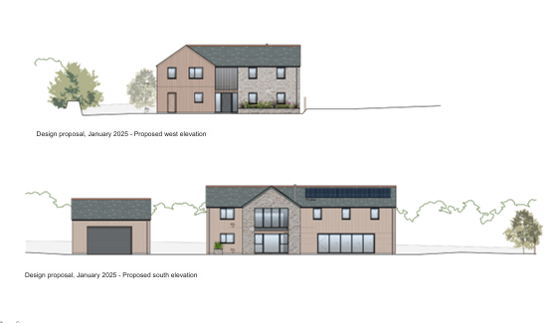
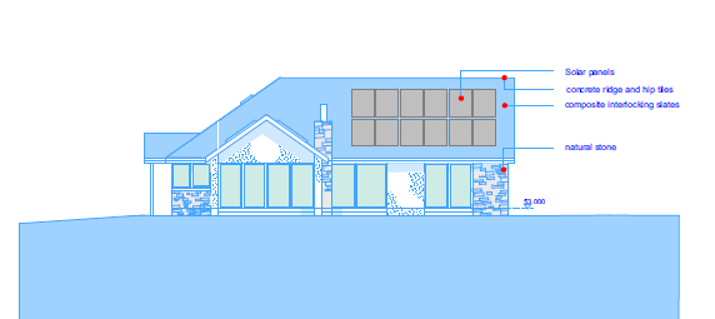
Plans & Drawings: Showing the proposed dwelling's scale and location.
Market Search: Evidence that no alternative housing exists locally.
In Summary:
It's a strict planning process to prevent isolated housing, ensuring any new dwelling directly supports a genuine, robust, and essential rural enterprise, not just general housing on farmland.
HL Rural has 23 years of experience of guiding rural clients through the planning process and having a proven track record of gaining consent for a number of rural businesses. For further information and advice, please get in touch or book an initial free consultation.
case studies
Frequently Asked Questions
-
Essential need means a worker must be on-site 24 hours a day.
Common justifications include animal welfare issues like calving or lambing, security, or immediate emergency response.
Personal preference or convenience is not accepted.
-
The business must prove financial sustainability.
Established enterprises typically must show they have operated profitably for at least one of the past three years using verified accounts.
-
Yes, but councils usually only grant temporary permission first (such as for a static caravan or mobile home) for a trial period of three years.
Full permanent structure approval is considered later only if financial and functional goals are met.
-
Yes, local planning authorities in the South West often enforce strict size guidelines (frequently capped around 140m² to 150m² total floorspace) to ensure the home remains affordable and sized for a standard worker.
Larger homes require special justification.
-
You must prove no other suitable accommodation exists locally on the open market or within reasonable traveling distance.
If a farm previously sold off an old farmhouse or separated assets from the holding, getting approval becomes significantly harder.
-
It is a legal restriction tied to the property title that ensures only active or retired rural/agricultural workers (or their dependents) can live in the home.
This condition is the exact mechanism that allows planning consent in isolated countryside locations where normal housing is banned.
-
Most applicants hire a specialized agricultural or rural planning consultant to compile an official appraisal, financial records, and a functional need assessment.