Equestrian Land Planning Permission Cornwall & Devon
Equestrian planning permission is official consent needed in the UK for building or changing land use for horse-related structures (stables, arenas, etc.), often requiring a formal application for new builds or "change of use," but sometimes covered by Permitted Development Rights for smaller, domestic-scale projects, with the key being whether it's for personal or business use, its permanence, and if it's in sensitive areas like the Green Belt.
When You Generally Need Permission:
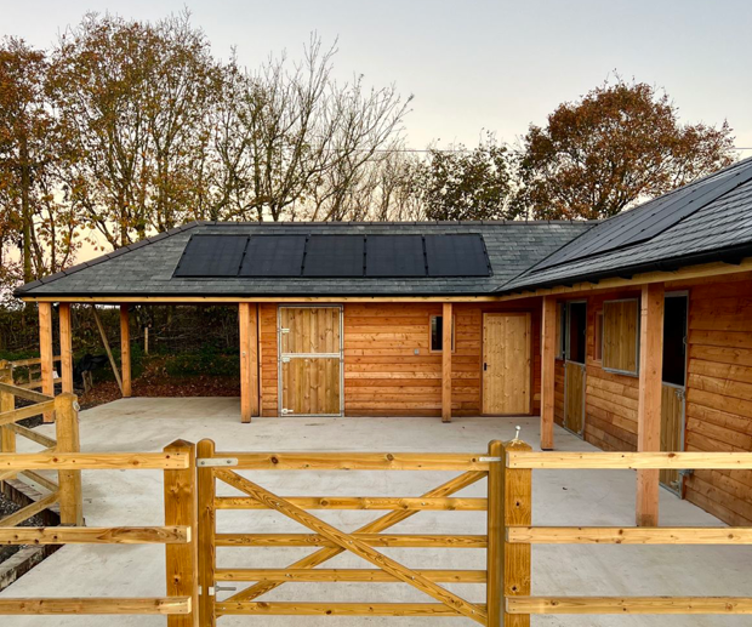
New Structures: Stables, barns, indoor schools, manèges (riding arenas), hardstanding, horse walkers, and new access roads.
Change of Use: Converting agricultural land for equestrian purposes, or existing buildings (like barns) for stabling, requires a "Change of Use" application.
Commercial Use: Livery yards, riding schools, and stud farms almost always need specific planning permission.
When You Might Not Need Permission (Permitted Development):
Domestic Curtilage: Small stables or shelters within the garden (curtilage) of your home might fall under Permitted Development, meaning no formal application is needed if they meet size/location rules.
Mobile Shelters: Transportable, non-permanent field shelters (with skids) usually don't need permission.
Key Considerations for Your Application:
Use Class: Personal stables have a different "use class" than commercial ones, affecting permission.
Impact: Local authorities assess landscape impact, traffic (for businesses), biodiversity, and flood risk.
Supporting Documents: May include ecological surveys, flood risk assessments, highway reports, especially for larger projects.
The Process:
Check with your Local Planning Authority (LPA): They'll tell you if you need permission and what type.
Prepare your Application: This involves drawings, forms, and fees.
Specialist Help: Equestrian planning consultants can guide you through complexities like rural policy and business needs.
Consultation: Neighbours are often consulted during the 2-3 month decision period.
In essence, if your project is permanent, large, commercial, or significantly alters the land's use, expect to need planning permission; if it's small, temporary, and purely for personal enjoyment, you might be exempt, but always check first.
For further information and advice, please get in touch or book an initial free consultation.
Case Studies